Grease Trap Cleaning in Sacramento, CA
Backed-up grease trap, inspection coming up, or routine pumping due? Speak with a service provider serving Sacramento to discuss pricing, check availability, and book your service.
Call to Book Service(877) 704-1271Your call connects you with an independent service provider. Confirm pricing and book directly with them.
- Grease traps inside and interceptors underground
- Planned cleanouts, drain backups, inspection paperwork
- Restaurant kitchens, school cafeterias, hotels, hospitals, food plants
Book by Phone
Call about an urgent issue or schedule your next pumping.
Call to Book(877) 704-1271- 1Enter your ZIP code Follow the phone prompt to reach a company serving your area.
- 2Describe what you need Explain the problem or the service you want to schedule.
- 3Confirm and book Ask about pricing, what is included, and the next available appointment.
Which situation are you in?
Need help now or planning your next service? Choose the situation that matches your kitchen.
Backed up or overflowing
When a trap is full, grease may pass through instead of separating, and wastewater can rise in sinks or floor drains. Take these steps:
- Hold greasy waste back. Scrape plates into the trash and store used cooking oil away from the sink.
- Turn off connected fixtures. Stop using any sink or dishwasher that sends water into the affected trap.
- Move staff clear of the spill. Keep foot traffic away from water rising through drains or spilling onto the floor.
- Take a photo and find the date. Photograph the trap, then check the maintenance log for its most recent pumping entry.
Smell or slow drains
A sour odor at a floor drain or sluggish sinks after a rush can point to grease and food solids accumulating inside the trap. A blocked line can produce similar symptoms. Many local programs ask for cleaning before that material reaches 25 percent of the trap’s depth. Pumping at this stage can help you avoid an overflow and its cleanup.
Call About Odors or Slow DrainsInspection due or notice received
An inspector may request cleaning records. In many areas, a written grease management plan may be needed as well. Gaps in the log are worth addressing before the visit: arrange for the trap to be pumped and have the work recorded. Ask for the disposal manifest and file it with your service records.
Call About an Inspection DeadlineRoutine schedule, new opening, or several locations
Preparing to open? Arrange a provider before the kitchen starts operating. Many sewer authorities expect a grease management plan and pumping logs. For several locations, ask whether one pumping schedule and a single set of records can cover them. If the kitchen is already operating, regular service can help you stay within the limit set locally.
Call to Schedule PumpingGrease trap and interceptor services
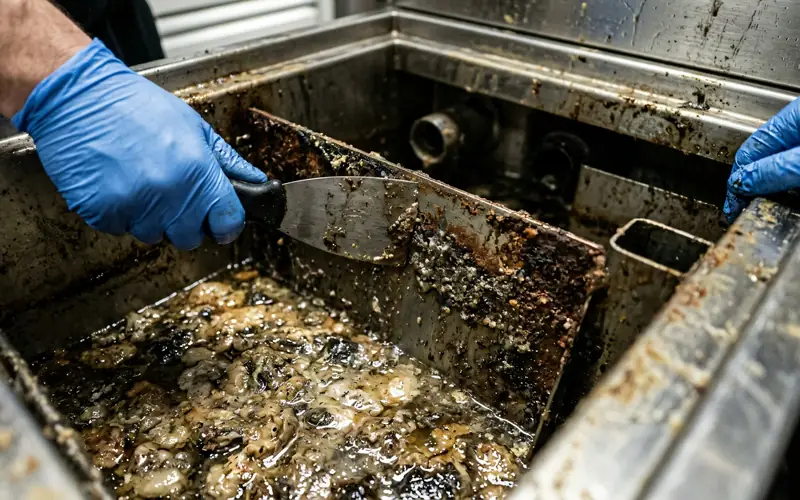 Indoor trapsGrease Trap CleaningFor kitchens with grease coating the trap walls or baffles after the contents have been removed.Learn about cleaning →
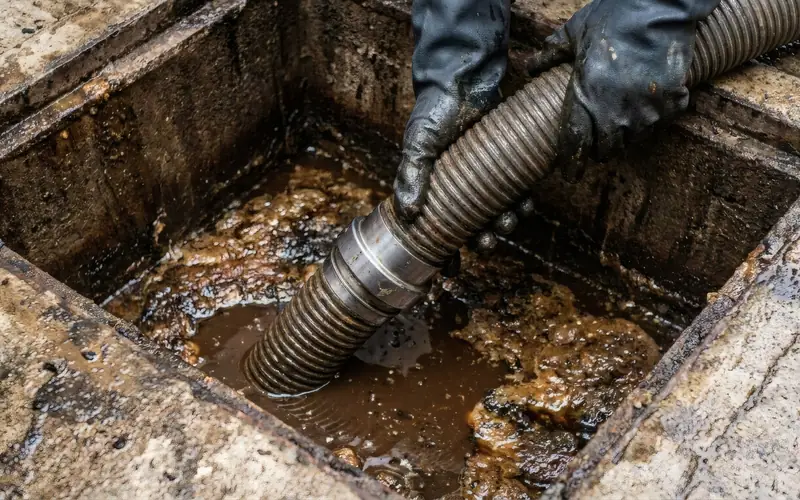 Indoor trapsGrease Trap PumpingFor kitchens with a trap due for pumping or grease buildup that may be affecting sink drains.Learn about pumping →
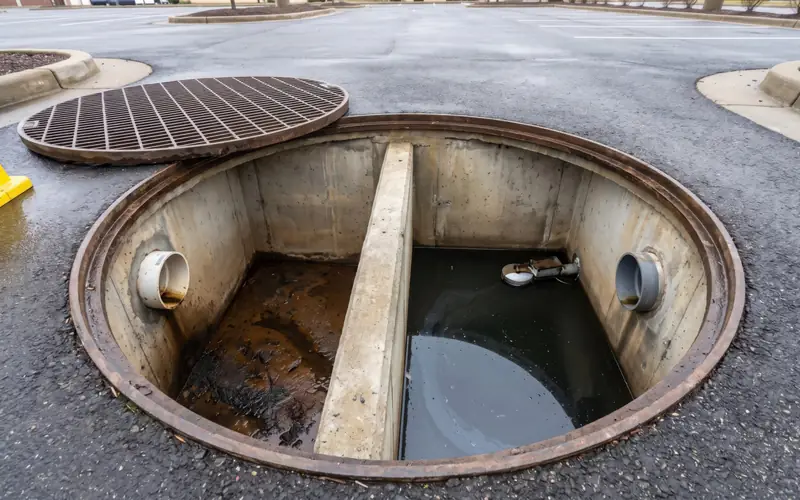 In-ground interceptorsGrease Interceptor CleaningFor kitchens with an outdoor interceptor, choose cleaning when grease remains on tank walls or internal parts after pumping.Learn about interceptor cleaning →
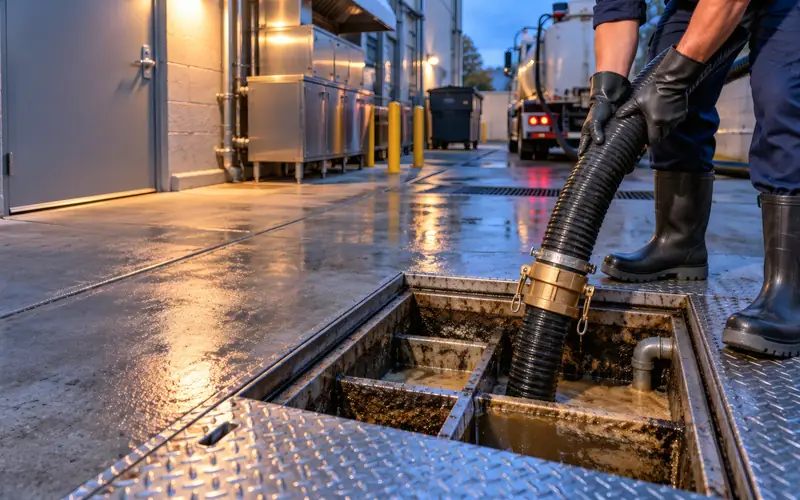 In-ground interceptorsGrease Interceptor PumpingVacuum truck pump-outs on a regular schedule, with records for your inspector.Learn about interceptor pumping →
Who uses this service
Grease from fryers, grills and dishwashers enters kitchen drains. A trap or interceptor helps keep it out of the sewer.
- Restaurants and cafes
- Fast food
- School and university cafeterias
- Hotels
- Hospitals and care homes
- Food processing plants
- Grocery delis and bakeries
- Caterers and commissaries
Ready to Book Grease Trap Cleaning?
Discuss your kitchen’s needs, confirm pricing, and book an available appointment.
Grease trap or grease interceptor?
Unsure which unit is on your property? You can still call. The comparison gives you ways to explain its location and drain connections.
- Location
- Indoors, under a sink or set in the kitchen floor
- Flow rating
- Roughly 20 to 100 gallons per minute
- Which kitchens
- Cafes, small restaurants, bars, coffee shops
- Typical pumping interval
- Every 1 to 4 weeks for most busy kitchens
- Location
- Outdoors, buried below a parking lot or yard
- Typical size
- Roughly 500 to several thousand gallons
- Which kitchens
- High-volume restaurants, schools, hospitals, food plants
- Typical pumping interval
- Every 1 to 3 months, depending on volume and local rules
What Affects Grease Trap Cleaning Cost?
The price depends on the unit and the work required. When you call, describe your setup and ask what the quote includes.
Size and number of units
Your trap or interceptor’s capacity, if known, and how many units need service.
Current condition
When it was last pumped and whether you have a backup, odors, or slow drainage.
Access and scheduling
Where the unit is located, access restrictions, and your preferred service time.
Disposal and additional work
Whether disposal, service records, and any additional cleaning are included in the price.
Not sure what size unit you have? You can still call. Describe its location and the issue you are having.
Questions to ask before you hire a pumper
Before you book, ask what the service includes, which records you will receive, and whether any additional charges may apply.
- 1Are you permitted to haul grease waste from here?Hauling requirements can vary by location. Ask what paperwork applies to waste collected from your kitchen, and keep a copy with your service records.
- 2Will you provide a disposal manifest for this load?A manifest helps document where the waste was taken. File it alongside the pump-out record so the disposal details stay together.
- 3Will you empty the trap completely instead of skimming?Grease floats, while food solids settle at the bottom. Ask whether the pump-out removes both layers so settled material is not left behind.
- 4Will you inspect the baffles and outlet tee?A loose baffle or damaged outlet tee can let grease reach the drain line. Ask for their condition to be recorded after pumping.
- 5Can we arrange a regular schedule for pump-outs?A recurring date makes upcoming service easier to plan around kitchen operations. Check whether your city or sewer district sets a required schedule.
- 6Will you fill in our cleaning log afterward?Many local programs require a record of each cleaning, including the date, what was removed, and the trap's condition. Keep the completed log with your service records.
What to Have Ready When You Call
A few details can help the service provider assess your needs and discuss the right appointment.
- Your service address and ZIP code.
- Whether you have an indoor grease trap or an outdoor interceptor.
- The unit’s size, if known.
- Approximately when it was last pumped.
- Any backup, odors, slow drainage, or inspection deadline.
- The number of units or locations needing service.
Share what you know. You do not need every detail before calling.
Grease trap service across Sacramento, CA
Need grease trap or interceptor cleaning at your Sacramento business? Call about routine pumping, a current backup, or service ahead of an inspection.
Provide your address and ZIP code to confirm coverage. You can discuss access, preferred appointment times, and recurring service when you book.
Frequently Asked Questions
How often should a grease trap be cleaned?
Look at what reaches the drain, not just how busy the kitchen feels. Wastewater volume, menu, grease production and the type of trap all affect cleaning needs. Your city or sewer district may also set requirements. Ask a provider to help plan a schedule for your equipment.
What does grease trap cleaning cost?
Pricing varies with the size and condition of the unit, access, and the work required. Call to discuss your setup and request pricing. Before booking, confirm whether the quote includes disposal, service records, and any additional charges.
Do providers clean grease interceptors as well as indoor grease traps?
An indoor trap and an outdoor interceptor can require different equipment to service. Some providers handle both, while others focus on a particular type. Say which one you have and give its size if you know it, so the provider can confirm they handle it.
What happens if I delay grease trap cleaning?
Grease and settled solids can take up space the trap needs to separate waste from wastewater. Slow drains, odors or a backup can follow, though a blocked line can cause similar trouble. Delaying service may also put your kitchen out of step with local requirements.
How long does grease trap pumping take?
The work depends on the trap or interceptor’s size, how much waste it holds and whether the access lid is clear. Cleaning walls and baffles may add to the work. Describe the equipment and its location when you call so the provider can estimate what is involved.
Who will I speak to when I call?
After the ZIP-code prompt, you will speak with an independent service provider serving your area. You can discuss the work, confirm pricing and availability, and book directly with that company. This website helps connect callers with service providers; it does not perform the cleaning.
Need Grease Trap Cleaning in Sacramento, CA?
Urgent issue or routine maintenance? Call to discuss your service needs, confirm pricing, and book an available appointment.
Call to Book Service(877) 704-1271